Belgian culture
Every culture has its own unwritten rules, and West Flanders is no different. Small everyday moments, such as a greeting or a first meeting at work, can feel unfamiliar at the start.
This page walks through common situations you are likely to encounter, so you know roughly what to expect and feel more at ease.
Overview
Cultural adjustment usually happens gradually, through small everyday interactions rather than one big moment. The sections below cover the situations that most newcomers ask us about: how people greet each other, what to expect at work and how socialising tends to work here.
Meeting people and greetings
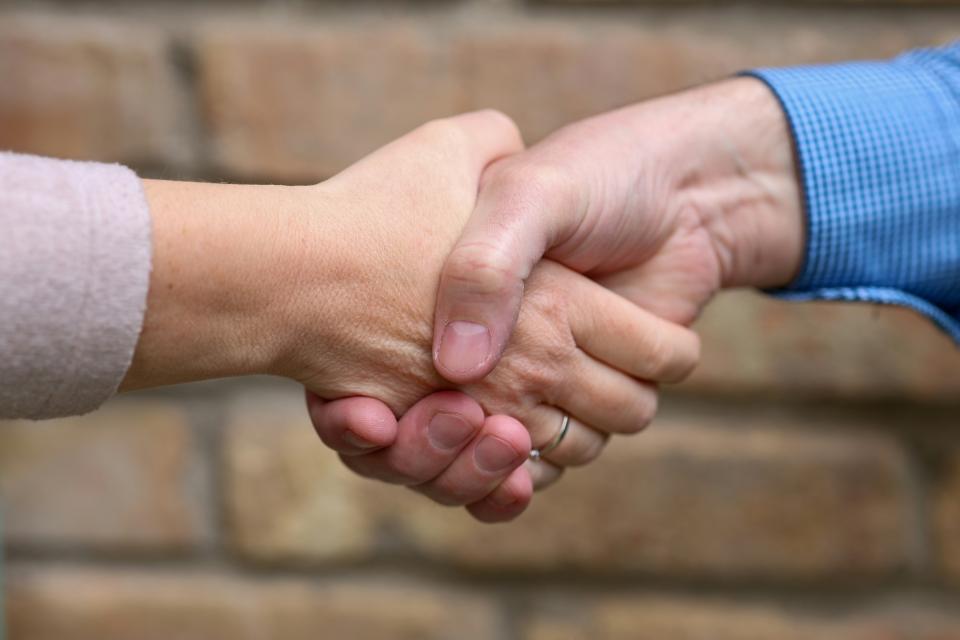
- A handshake is the safest choice in professional or first-time meetings
- Among friends and in informal settings, a light kiss on the cheek is common, though the number and side canvary. If you are unsure, follow the other person's lead.
- First names are used in most situations, including at work, even with people in senior positions
Workplace culture
- Punctuality is generally valued. If you expect to be late for a meeting, it is normal to send a quick message ahead of time.
- Feedback is often given fairly directly. This is usually meant to be efficient and constructive, not personal or unkind.
- Hierarchy tends to be relatively flat. Most colleagues, including managers, are approachable day-to-day.
- Breaks matter. Coffee breaks and lunch breaks are common moments for informal conversation, and a good way to get to know colleagues.

Socialising and making friends
Many people in West Flanders already have an established circle of friends, often from school, family or a local club, so building new friendships can take a bit longer than you might expect. This is not personal. It is simply how social life tends to be organised here.
- Joining a local club or association (vereniging) is one of the easiest ways to meet people with a shared interest. See our Leisure page for how to find one.
- Everyday small talk often includes the weather, cycling and football
- You may hear the word gezellig, which describes a cosy, pleasant atmosphere, often used to describe a good social gathering

Communication style
Dutch is the main language in West Flanders, and many people, especially younger generations and professionals, also speak good English. Do not assume everyone does, particularly with older generations or in smaller municipalities.
Communication style can come across as quite direct compared to some cultures. People often say what they mean plainly, which is generally intended as honest and efficient rather than blunt or rude.
Good to know: cultural adjustment takes time, often several months, and that is completely normal. Joining a club or association is one of the most effective ways to build a social circle and practise the local customs and language at the same time.
Sources
- Vlaanderen.be, guidance for newcomers (civic integration path)
- Agentschap Integratie en Inburgering