
Student activities
Finding your place in a new student scene can feel slow at first, especially if you do not yet know where other students actually gather. West Flanders has an active student life once you know where to look, built largely around associations and cheap, student-friendly spots near campus.
This page explains how student associations work, where to find affordable places to eat, and how to keep track of student-organised events.
Overview
Your experience depends a lot on which city you study in, since Kortrijk, Bruges, Roeselare and Ostend each have their own student scene tied to the institutions based there. Joining an association early is usually the fastest way into that scene, even before you know exactly where you fit.

Orientation week and buddies
Most institutions run a mandatory orientation week (sometimes called Kick-Off Week) in the days right before classes start. During it, you get your student card, learn what is expected of you academically, and are introduced to campus facilities and support services - it is also usually the first time you properly meet fellow students and staff.
Many institutions also pair you with a buddy before you even arrive - a current student, local or international, matched to your programme, who helps answer your questions and shows you around campus and the city. Buddies are usually in touch before orientation week starts, though it is worth reaching out yourself if you have not heard from them a few weeks before term begins.
Arriving about a week before orientation week, or before any introductory courses you are taking, gives you time to finish practical steps such as enrolment and city hall registration before the mandatory programme starts.
Student associations and clubs
Most institutions have student associations (kringen), usually organised by faculty or programme, running socials, parties, trips and sometimes sports activities throughout the year. Many welcome international students, even if the day-to-day communication happens mostly in Dutch. Joining one, even informally, is often the fastest way to build a social circle if you do not know anyone yet.

Clubs and meeting spaces
Beyond faculty-based kringen, many institutions also run interest-based clubs - book, film, games and theatre clubs are common, and are usually free to join regardless of what you study.
Some institutions go a step further and run a dedicated space specifically for international students. Howest's Oasis, for example, is a lounge open to all Howest international students and their buddies, with couches, a kitchenette, a beamer and study space, accessible seven days a week - a low-key spot to unwind, watch a film, or just meet people without it needing to be an organised event. It is worth asking your own institution's international office whether something similar exists for you.
Student city organisations
In Kortrijk and Bruges specifically, student life is coordinated at a city level, not just by individual institutions.
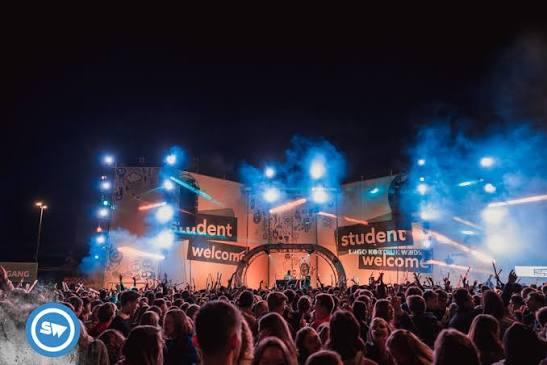
Kortrijk Studentenstad is a joint initiative run by the student services of VIVES, KU Leuven Kulak, Howest and UGent Campus Kortrijk together with the city of Kortrijk. It organises recurring events throughout the academic year, such as Student Welcome - an established free music festival now in its second decade, mixing well-known acts with lesser-known local bands - alongside The Big Student Quiz and the Midnight Swim pool party, often at low or symbolic prices. It also runs a Sportplus card, which bundles discounted access to sports such as swimming, fitness and climbing for students under 26. Kortrijk now counts around 19,000 students across its four institutions, making it by far the largest student city in West Flanders.
Brugge Studentenstad plays a similar role in Bruges, run jointly by VIVES, Howest, KU Leuven and the College of Europe together with the city of Bruges. Beyond events, it also covers student housing, bikes, study locations and wellbeing, which makes it a useful first stop if you are studying in Bruges specifically rather than Kortrijk. Bruges counts around 13,000 students.
Both cities point students to StudentApp, an online platform listing leisure activities across West Flanders that you can filter by city, category or day. Free registration with your student email gets you access to a range of free activities, and a small paid tier unlocks discounted sports and fitness options too - registering there covers events in either city rather than needing to check multiple sources.
Affordable places to eat
Most institutions run their own student restaurant (resto), offering hot meals at reduced prices for enrolled students - usually the cheapest hot meal option near campus. Beyond that, student areas tend to have their own cluster of affordable cafes and takeaway spots. Asking current students what they actually eat regularly is more reliable than any list, since these spots change often and rarely get much attention online.
Good to know: join at least one student association early on, even if you are not sure it is the right fit yet, and register on StudentApp as soon as you have your student email. Between the two, you will have a social circle forming and a steady stream of things to do without much extra effort.
Sources
- Immigration Office (Dienst Vreemdelingenzaken)
- Registration and migration
- VDAB - working as a newcomer
& discounts