Cars & driving licence
Owning and driving a car works differently in Belgium than in many other countries, and the paperwork can feel unfamiliar at first - especially if you're used to a simpler process for buying a car or renewing a licence back home. The good news is that once your car is registered and insured, day-to-day driving in Belgium is much like anywhere else in Europe.
This page walks you through registering a car, getting a Belgian number plate, arranging insurance, and what to do about your existing driving licence.
Overview
Before you can legally drive in Belgium, three things need to be in order: your car must be registered with a valid Belgian number plate, it must be insured, and you need a driving licence that's recognised here. Whether you bring a car with you or buy one locally, and whether your existing driving licence can simply be used or needs to be converted, depends largely on where you're moving from.
Bringing or buying a car
Whether you bring a car with you or buy one here changes what paperwork happens first:
- Importing a car: typically needs a technical inspection (keuring) before it can be registered in Belgium, regardless of its age.
- Buying secondhand in Belgium: cars over 4 years old need a periodic technical inspection - this is usually arranged by the seller before the sale.
- Buying new: the dealer usually handles registration and the number plate application for you.
Whichever route you take, you'll need your address registered in Belgium first, since vehicle registration is tied to where you live.
Registering your car and number plate
Every vehicle needs a Belgian number plate before it can be driven on public roads, and registration is handled through DIV (Dienst Inschrijvingen Voertuigen), usually via your insurer. One quirk worth knowing: since 2014, number plates in Belgium belong to the owner, not the vehicle - so if you sell your car, you keep your plate and can transfer it to your next one, or hand it back. We cover the full registration process, including exactly which documents you'll need, on our Formalities page.

Car insurance
Car insurance in Belgium comes down to a few essentials:
- Third-party liability insurance (burgerlijke aansprakelijkheid, often shortened to BA) is a legal requirement - you cannot register a car or get a number plate without it.
- Most insurers also offer optional cover for damage to your own car, theft and fire.
- Premiums vary between insurers, and proof of a no-claims record from your home country can sometimes lower what you pay.
Driving licences
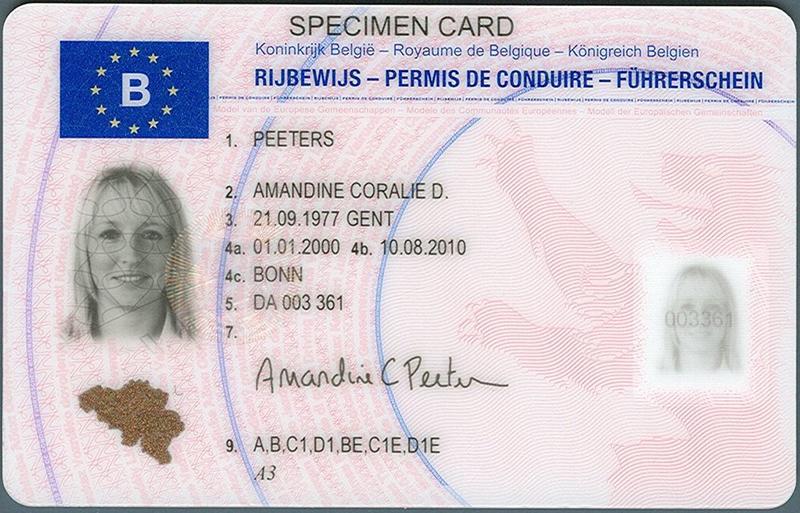
What happens with your existing driving licence depends on where it's from:
- If you hold a licence from an EU/EEA country, you can drive in Belgium on it as-is - there's no need to convert it, though you should update your address details with the issuing authority.
- If your licence is from outside the EU/EEA, you can usually drive on it for a limited period after registering your address, after which you'll need to exchange it for a Belgian one, provided Belgium has an exchange agreement with the country that issued it.
- Not every country has such an agreement. If yours doesn't, you may need to take a Belgian driving test to get a Belgian licence.
- Bring an official translation if your licence isn't in English, French, Dutch or German - some municipalities also want to see an International Driving Permit alongside it.
Good to know: start the licence exchange process as soon as possible after registering your address - the window to exchange without retesting is time-limited and generally doesn't reset if you miss it.
Keep your registration certificate and insurance documents in the car - you may be asked to show them during a routine police check.
Sources
- Mobility — belgium.be
- FPS Mobility and Transport (vehicle registration) — mobilit.belgium.be
- Moving to Flanders — vlaanderen.be
- Province of West Flanders — west-vlaanderen.be