
Integration programme
Belgium's civic integration process, known locally as inburgering, sounds bureaucratic but is more straightforward than it looks. The good news is that it is designed specifically to help newcomers settle in, not just a formality to get through.
This page explains who needs to follow the integration programme, what it involves, and how to register.
Overview
Whether the integration programme (inburgering) is mandatory for you depends mainly on your nationality and residence permit, since EU citizens and certain other groups are exempt. For those who do need it, the programme combines Dutch lessons, social orientation, and career orientation into one structured path.
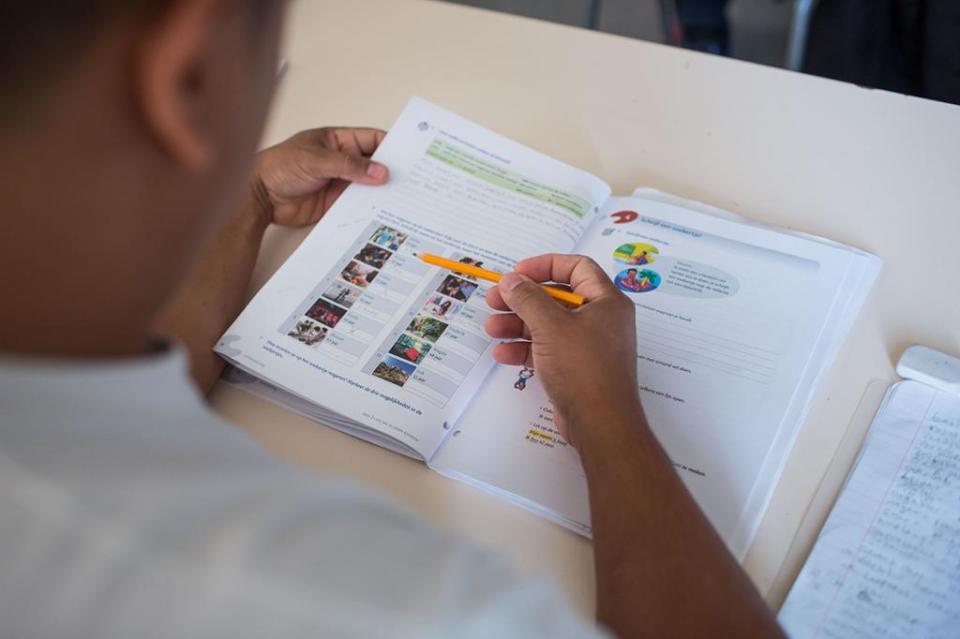
Who needs to follow the programme
The programme is mandatory for most non-EU nationals settling in Flanders for the long term, though several groups are exempt.
- Mandatory for most non-EU nationals aged 18 or older who register in a Flemish municipality with the intention to stay long-term.
- EU, EEA, and Swiss nationals are generally not required to follow it, though they can still take part voluntarily.
- Some groups are exempt, including those who already hold a diploma from a Flemish or Dutch-language school, or who can prove sufficient Dutch and knowledge of Belgian society.
- If you are unsure whether it applies to you, your municipality (gemeente) can confirm your status when you register your address.
What the programme includes
The programme is built around three components, though the exact path depends on your background and goals.
- Dutch lessons (NT2) - language classes building toward a working level of Dutch.
- Social orientation (maatschappelijke oriëntatie) - covering Belgian society, rights, and practical daily life topics.
- Career orientation (loopbaanoriëntatie) - help identifying job or study options based on your background and goals.
Not everyone follows all three in the same way. Highly educated newcomers, for example, often follow a faster-paced track.

Registering and getting started
Registration goes through the Agentschap Integratie en Inburgering, the agency responsible for running the programme in Flanders.
- Register at your local integration office, often based at or near your municipality, within the timeframe given after registering your address.
- An intake interview determines your starting level and which components you need.
- The programme is generally free for those required to follow it, though a small guarantee fee may apply, refunded once you complete it.
Good to know: there is usually a deadline to start the programme after registering in Belgium, and missing it can affect certain rights or permits. If you have received a letter about the integration programme, do not ignore it - contact the agency directly if anything is unclear.
Sources
-Agentschap Integratie en Inburgering
- Guidance for newcomers (civic integration path) - Flanders.be
- Flanders.be