Supermarkets &
groceries
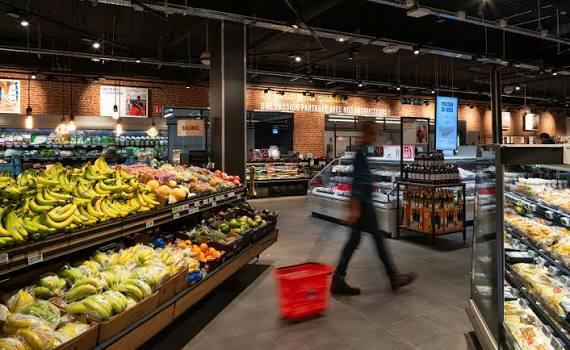
Grocery shopping looks different here than back home, from opening hours to which chains you will actually recognise. The good news is that West Flanders has supermarkets on almost every corner, so once you know the main chains and their habits, shopping becomes routine fast.
This page explains the main supermarket chains, typical opening hours, and where to go for specialist or international groceries.
Overview
Which supermarket suits you best depends mostly on price versus convenience, since chains range from budget-focused to premium, and some are far more common in West Flanders than others. It also helps to know which days and hours shops are open, since this catches many newcomers out.
Main supermarket chains
These are the chains you will see most often in West Flanders:
- Colruyt - known for low prices, no loyalty card needed.
- Delhaize - mid-range, widely spread, often open later than other chains.
- Aldi and Lidl - budget chains, smaller ranges, cheaper overall.
- Carrefour - ranges from small city shops (Carrefour Express) to large hypermarkets.
- Okay and Spar - smaller, local, often the only option in villages or late at night.
Opening hours
Most supermarkets follow a similar weekly pattern, though exact hours vary by branch.
- Typical hours are 9 am to 7 pm or 8 pm, Monday to Saturday.
- Many supermarkets are closed on Sundays, though larger branches and city-centre locations increasingly stay open, often with shorter hours.
- Supermarkets are closed on public holidays, with night shops (nachtwinkel) as the main alternative for evening or holiday essentials.
- A nachtwinkel is a small shop open only during the evening and night, mainly stocking alcohol, cigarettes, and snacks. Prices are noticeably higher than a supermarket, but they usually cover most emergency essentials if you get caught out.

Specialist and international groceries
If you are looking for ingredients from home, supermarkets alone will not always cover it.
- Larger cities such as Kortrijk, Bruges, and Roeselare have international grocery shops stocking Asian, African, Middle Eastern, or Eastern European products.
- Local weekly markets (markt) are a good source of fresh produce, often cheaper than supermarkets.
- Butchers (slagerij) and bakeries (bakkerij) are common and often better quality than supermarket equivalents for meat and bread.
Good to know: bring your own shopping bags, since Belgian supermarkets rarely give them out for free, and many also charge a small deposit for shopping trolleys and baskets that you get back when you return them.
Sources
- Province of West Flanders
- Delhaize
- Colruyt Group