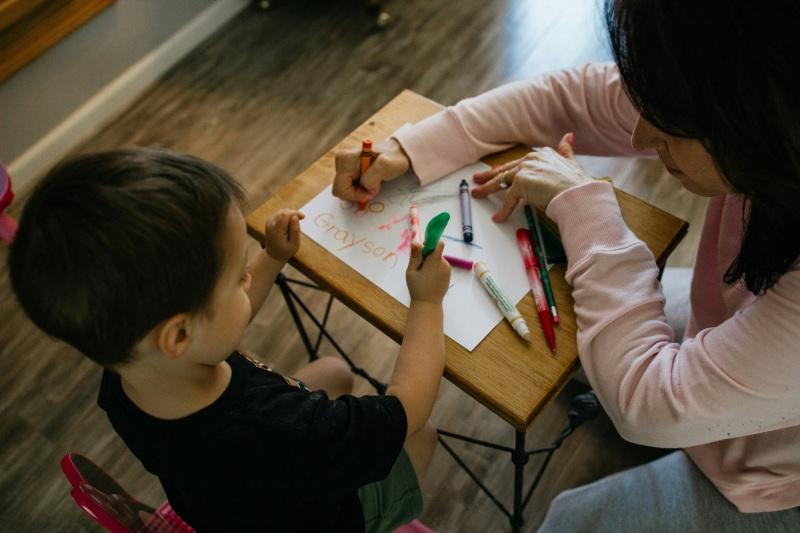
Childcare
Finding childcare is often one of the first practical challenges for working families, especially when the system uses terms and processes you've never seen before - and the question doesn't stop once your child starts school, since holidays bring a different kind of care need. The good news is that Flanders has a structured childcare system with options at different price points, and most families qualify for income-based fees.
This page explains the types of childcare available for babies and toddlers, what it costs, how to find a spot, and what to do during school holidays.
Overview
Childcare in Flanders is generally referred to as kinderopvang, and covers care for babies and toddlers before they start nursery school. Most families choose between a group daycare centre or a registered childminder, and fees are usually based on household income rather than a fixed price. Once your child starts school, a different type of care - holiday care and camps - takes over during school breaks.
Just need an evening out rather than regular daily care? See Babysitting services instead.
One fact worth knowing early: children in Flanders can start kleuterschool (pre-school) from age 2.5, and it's free. Most families switch from paid childcare to kleuterschool somewhere between 2.5 and 3 - worth factoring into your childcare planning from the start.
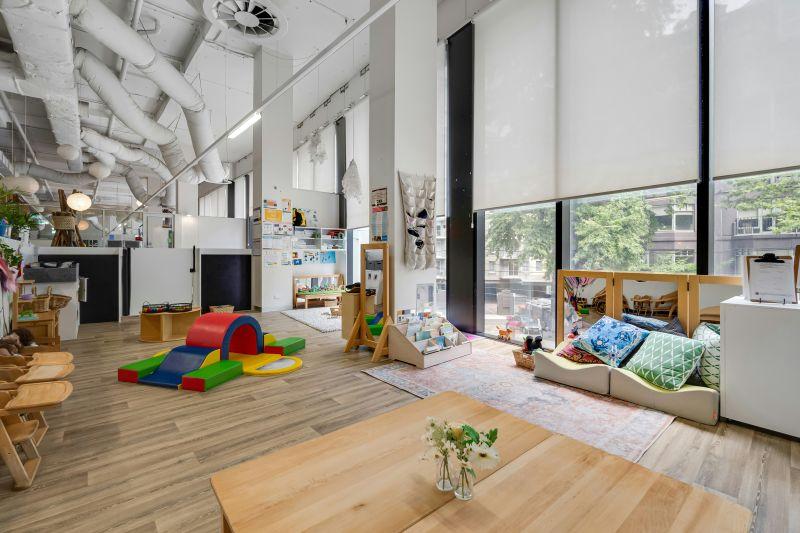
Types of childcare
- Group daycare centres (kinderdagverblijf) - larger facilities caring for multiple children, usually with several staff members and set opening hours.
- Registered childminders (onthaalouder) - individuals registered to care for a small number of children in their own home, often with more flexible hours.
- Recognised and subsidised care (erkende kinderopvang) - childcare that's officially recognised, where fees are calculated based on your income.
- Private childcare - not income-based, usually more flexible but without the subsidised fee structure.
Both group centres and childminders can be either recognised/subsidised or private, so it's worth checking which type you're looking at before registering.
Costs
For recognised, income-based childcare, your fee is calculated based on your household income, not a flat rate - families with a lower income pay less per day. Before your child starts, you must request an income statement (attest inkomenstarief) via mijn.kindengezin.be - without it, your provider can't apply your income-based rate and you'll be blocked from starting on time, so arrange this as early as possible.
Private childcare sets its own rates, which can vary significantly between providers.
Two things are easy to miss when it comes to costs:.
- Childcare costs are tax deductible for children under 14, up to roughly € 16/day - your provider issues a tax certificate you can use for this.
- If you're using non-income-based (private) care, you may still be able to claim the childcare allowance (kinderopvangtoeslag) through the Growth Package, so it's worth checking even if you're not using recognised care.

Finding a spot
- Start looking early - waiting lists for recognised childcare can be long, especially in and around bigger cities.
- Search available childcare using Flanders' official childcare finder, Kinderopvang zoeken, on opgroeien.be. Many municipalities also run a Lokaal Loket Kinderopvang, a local point of contact that registers you with several providers at once - ideal if you're new and don't yet know which providers to approach.
- Contact providers directly to ask about availability, even if their website shows a waiting list - spots can open up.
- Register once you've confirmed a place, and ask the provider to explain how their fee structure works before you commit.

Care during school holidays
Once your child is in school, Belgian school holidays are longer and more frequent than in many other countries, which raises a different question: who looks after your child when school is closed.
- Holiday care (vakantieopvang) is often organised by your municipality or local childcare organisations, providing supervised care during school breaks for a daily fee.
- Holiday camps (speelpleinwerking or kampen) offer activity-based days - sports, crafts, or themed programmes - and are a popular option for school-age children.
- Some daycare centres and childminders also offer holiday care for younger children who aren't yet in school.
- Booking opens ahead of each holiday period and popular camps can fill up quickly, so it's worth checking your municipality's offering a few weeks in advance.
Good to know: if you're pregnant or planning to have your child cared for outside the home, it's worth starting to look for childcare as early as possible - some families register providers before the baby is even born. The same "start early" rule applies to holiday care - check your municipality's booking dates as soon as a new school term begins.
Sources
- Opgroeien - childcare in Flanders
- Vlaanderen.be - Health and social security
(-18 y.o)