Learning Dutch for kids
Watching your child join a Dutch-language environment without speaking the language yet can feel daunting, especially if you're not sure what support actually exists. The good news is that children tend to pick up a new language faster than adults, and Flemish schools have structured ways to help them get there.
This page explains the language support built into schools, and what's available outside of the classroom.
Overview
Most children learn Dutch through a combination of school-based support and everyday exposure - playing with classmates, watching Dutch-language TV, or joining a local club. Formal lessons matter, but for children, immersion generally does more of the work than it does for adults.
Language support at school
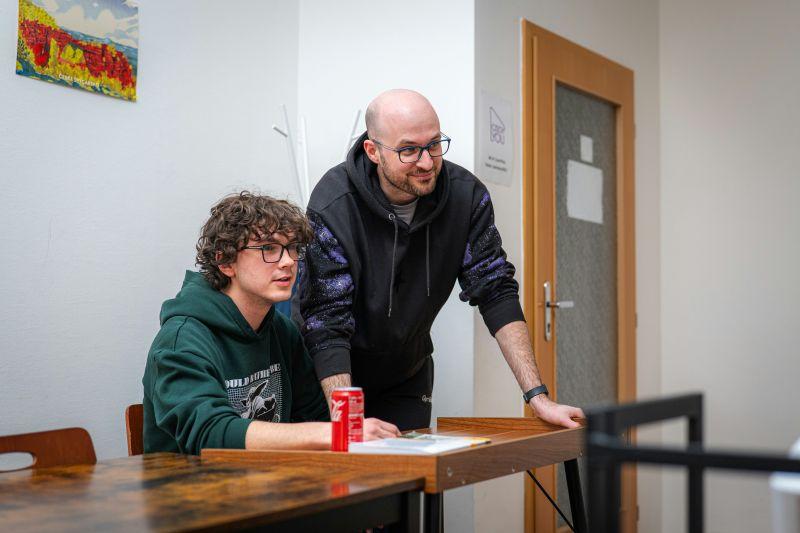
- OKAN (reception education for newly arrived students) is a dedicated programme for secondary school students who don't yet speak Dutch, focusing intensively on language before joining regular classes.
- Primary schools often provide informal extra language support for newly arrived children, though this varies by school - ask directly what's available.
- Some schools offer a buddy system, pairing a newly arrived child with a Dutch-speaking classmate to help them settle in socially and linguistically.
- Teachers can usually tell you within the first weeks how quickly your child is adapting, and whether extra support would help.
Outside school
- Local libraries (bibliotheek) often run Dutch storytelling sessions or have simple Dutch books suited to different reading levels.
- Playgroups and youth clubs (jeugdbewegingen) give children regular, informal exposure to Dutch alongside other kids their age.
- Private tutoring is an option if you want additional, more structured support outside school hours.
- Language-learning apps designed for children can help build vocabulary at home, though they work best alongside real-world practice rather than instead of it.

Good to know: children usually build confidence in a new language faster through social contact than through lessons alone - joining a local sports club or youth group can be just as valuable as formal language classes.
Sources
- Vlaanderen.be - Education in Flanders
- Agentschap Integratie en Inburgering