Currency
Arriving with foreign currency, or needing to send money back home regularly, can feel like an extra puzzle on top of everything else. The good news is that once you are set up with a Belgian account, moving money in and out of Belgium is usually simple and affordable.
This page explains how the euro works day to day, how to exchange cash, and the best ways to transfer money internationally.
Overview
How you handle currency depends mainly on how much cash you are bringing, whether you need ongoing transfers to or from another country, and how much you value speed versus cost. A one-off exchange and a regular monthly transfer usually call for different tools.
The euro in Belgium
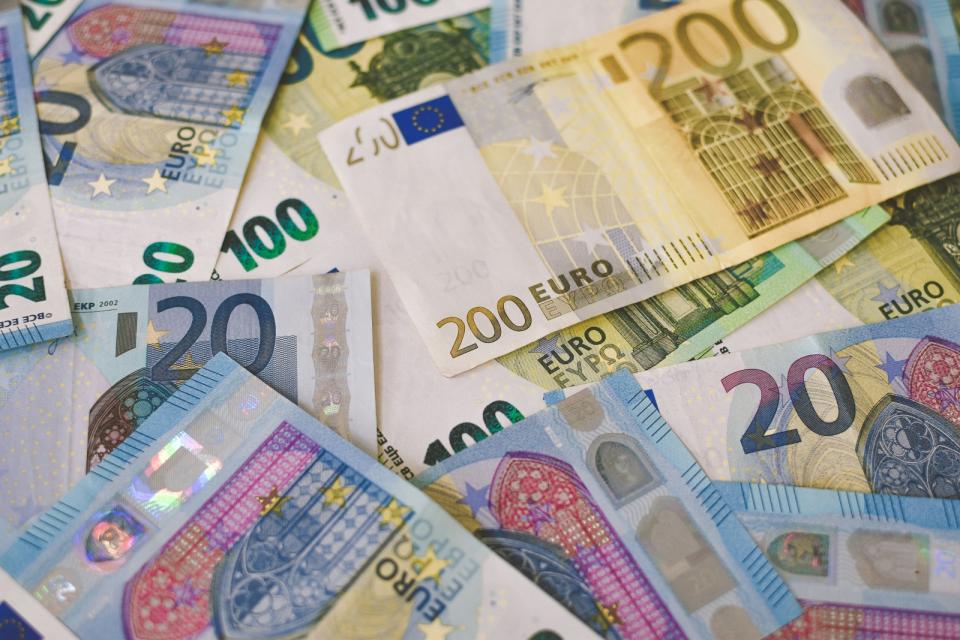
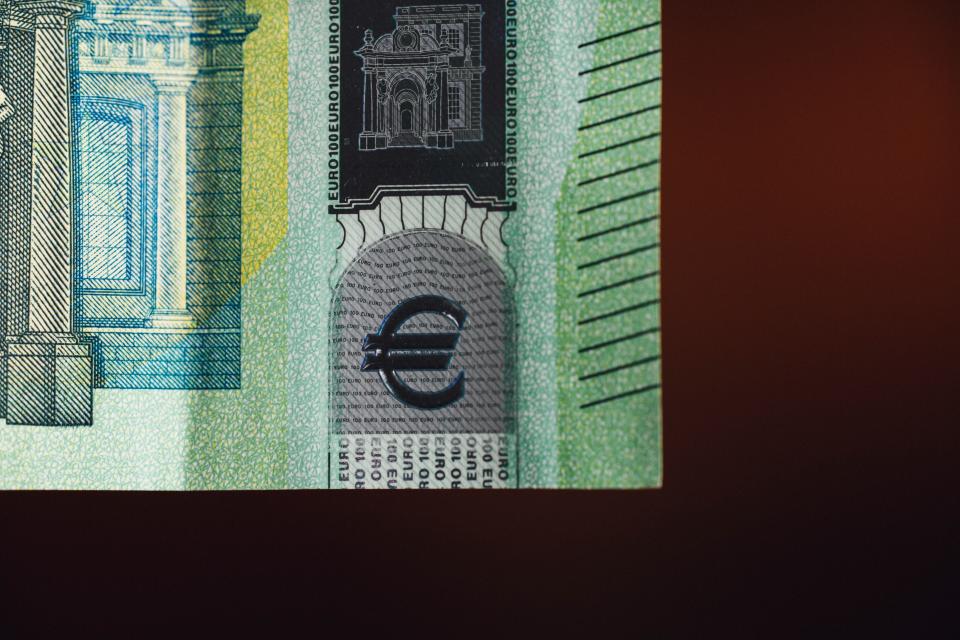
Belgium uses the euro (€), managed at the European level by the European Central Bank and represented nationally by the National Bank of Belgium. In daily life, this means cards and contactless payments work seamlessly, and you will rarely need to carry large amounts of cash once your Belgian bank account is set up.
If you pay with a card in a different currency, the payment terminal will sometimes ask whether you want it converted on the spot or charged in euros. Always choose to be charged in euros and let your own bank apply the exchange rate - the rate offered at the terminal is usually worse than your bank's. You can check this at the terminal before confirming the payment.
Exchanging cash
If you arrive with foreign currency, you have a few options for exchanging it:
- Your bank - usually your best option, though not every branch handles every currency on the spot. Many banks need to order foreign currency in advance, so call ahead and check what is possible before turning up.
- Currency exchange bureaus - rarer in Belgium than in many other countries, since exchanging cash is mostly handled by banks rather than dedicated bureaus. Do not assume you will find one easily in every town.
- Airport exchange counters - usually the most expensive option, best avoided unless you have no other choice.
Withdrawing euros from an ATM using your foreign card can be simpler than exchanging cash in advance, but check the currency and fees shown on screen before confirming - some ATMs offer their own conversion rate, which is often expensive, and your home bank may charge a separate foreign transaction fee on top.

Transferring money internationally
For transfers within the EU, the SEPA system makes bank-to-bank transfers fast and usually free, as covered on our Banking page. For transfers to or from countries outside the EU, you generally have two options:
- Your bank's international wire transfer - reliable, but often slower and more expensive than alternatives.
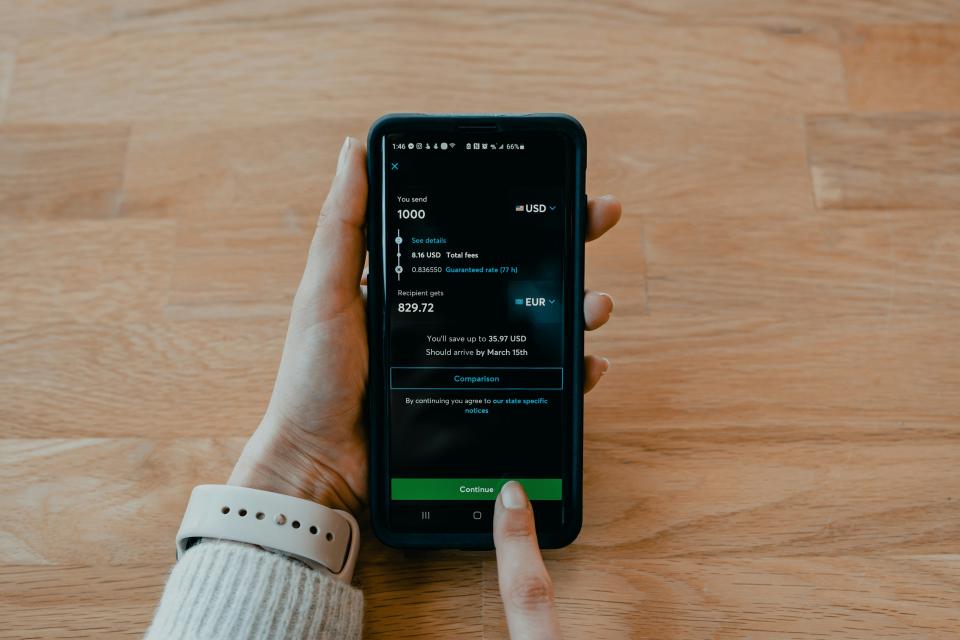
- Specialist transfer providers (such as Wise or Revolut) - usually faster and cheaper for regular transfers, since they are built specifically for this purpose.
Whichever option you choose, make sure the provider is licensed to operate in Belgium or the EU before sending money through it.
Sending money home
If you send money home regularly, comparing fees and exchange rates across a few providers before committing to one can make a noticeable difference over a year. Some providers also let you set up recurring transfers automatically, which can be useful if you are supporting family back home or paying off something abroad.
Good to know: be cautious of informal or unlicensed money exchange offers, even if they seem convenient or come recommended by someone you know - sticking to regulated banks and licensed transfer providers protects you if something goes wrong with a transaction.
Sources
- National Bank of Belgium