Payment methods
in Belgium
Every country has its own everyday payment habits, and Belgium's can take a little getting used to if you are used to something different. The good news is that once you know the basics, paying for almost anything here is quick and straightforward.
This page explains how cards and contactless payments work, what Bancontact and Wero are, and where services like Klarna fit in.
Overview
How you pay day to day mostly comes down to what your bank card supports, whether you shop online or in person, and how comfortable you are moving away from cash. Belgium leans heavily towards card and app-based payments, so it helps to know your options early.
Cards and contactless payments
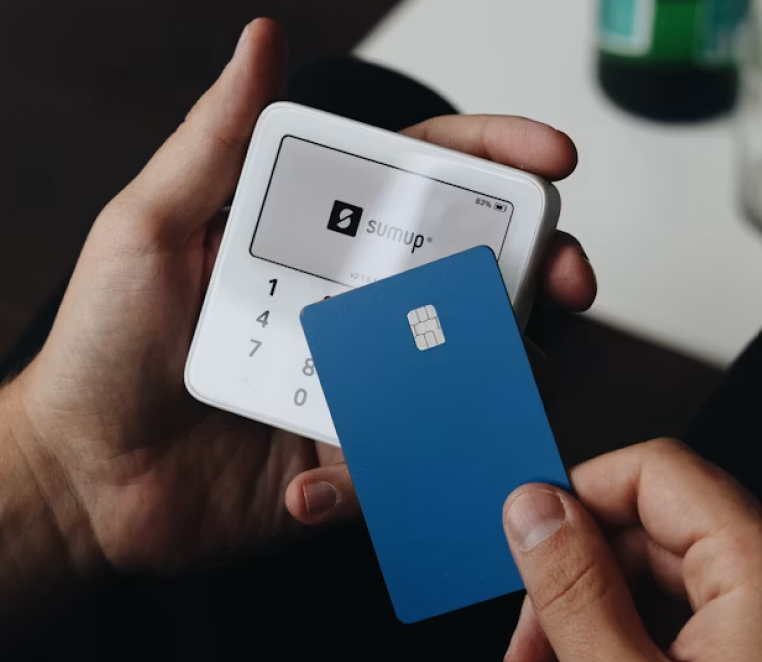
A debit card linked to your Belgian bank account is the default way to pay almost everywhere, from supermarkets to restaurants. Contactless payment (tapping your card or phone) is accepted nearly everywhere, including on public transport in some cities.
Credit cards are accepted too, but less central to daily life here than in some countries - they are most useful for online purchases, hotels, and car rentals rather than everyday shopping.
Bancontact: Belgium's own payment system
Bancontact is Belgium's national payment system, linked directly to your bank account rather than a credit line. You will see the Bancontact logo on card terminals, ATMs, and online checkout pages across the country. It works through your existing bank card or the Bancontact app on your phone, and transactions are typically free of charge for the person paying.

Wero: the new European payment app
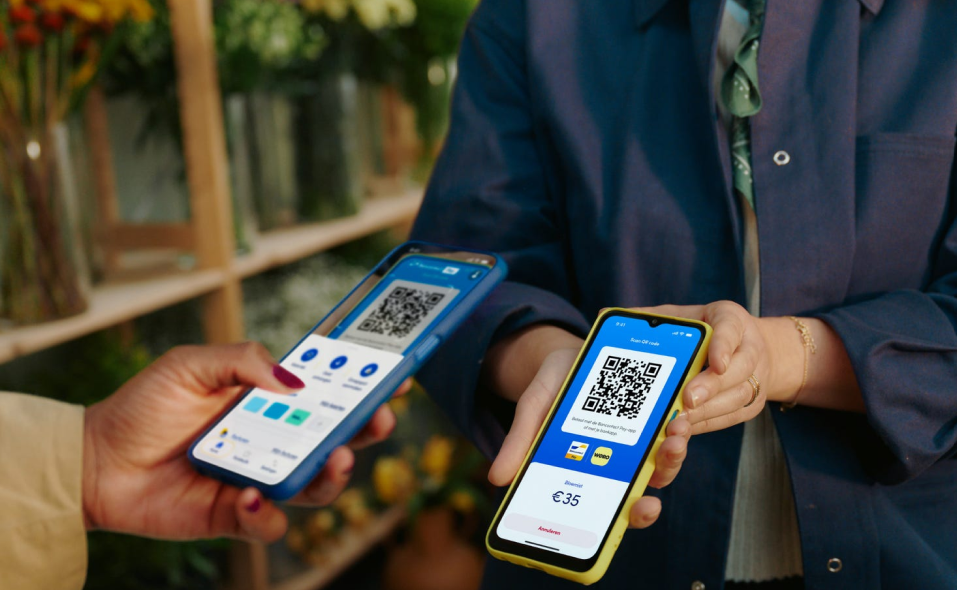
Wero is a newer digital wallet backed by major European banks, including several in Belgium. It is designed for sending money instantly to friends or family using just their phone number, and is gradually expanding to cover online and in-store payments as well. If your bank supports it, it can be a convenient alternative to apps like PayPal for splitting bills or paying someone back.
Buy now, pay later: Klarna
Klarna is a buy now, pay later service available at many online shops, letting you split a purchase into instalments instead of paying the full amount upfront. It is not tied to Belgian banks specifically, but it has become a common checkout option for online shopping. As with any instalment payment, it is worth only using it for purchases you can comfortably repay on schedule.
Cash and cheques
Cash is still accepted in most places, though a growing number of businesses in cities are moving towards card-only payments, so it is worth not relying on cash entirely. Cheques, by contrast, are essentially not used in Belgium - if you are used to paying by cheque back home, expect to leave that habit behind.
One prepaid card worth knowing about is meal vouchers (maaltijdcheques), which some employers offer as a benefit on top of your salary. They work like a prepaid card loaded with a fixed amount each month, and can be used to pay for food at supermarkets and many restaurants. Ask your employer whether this is included in your package.
Good to know: Good to know: always carry a debit card as your default - it is the most universally accepted payment method in Belgium, more so than cash in many city businesses. If a shop only displays "Bancontact" as a payment option, your regular debit card will usually still work, since Bancontact runs on the same card.
Sources
- Wero
- Bancontact
- National Bank of Belgium
- Klarna