Applying for Belgian
citizenship
After a few years in Belgium, you may start to wonder whether you can make it official and become a citizen. There is a clear legal path, with conditions you can work towards over time rather than meet all at once.
This page explains the main routes to citizenship, the conditions that usually apply, and where to confirm the exact rules for your situation.
Overview
Belgian nationality law sets out several ways to become a citizen, and which one fits you depends mainly on how long you have lived in Belgium and how you can prove your integration. The route most internationals use is the declaration procedure. Because the exact requirements are set in law and can change - they were tightened as recently as 2026 - the most important step is checking the current official rules before you apply.

The main routes to citizenship
- Declaration of nationality - the most common route for people who have lived in Belgium legally for a number of years and can demonstrate their integration. It is a right, granted if you meet all the conditions.
- Attribution for children - children under 18 can obtain Belgian nationality through a declaration made by their parents, typically alongside or after the parents' own application.
- Naturalisation - an exceptional route, reserved for people with exceptional merit in scientific, sporting or sociocultural fields. It is a favour granted by Parliament, not an automatic right, so it applies to very few people.
For most internationals who have settled here and built a life, the declaration procedure is the relevant one.
Conditions that usually apply
The standard declaration route (after five years) comes with a set of conditions you generally need to meet:
- Legal residence - you must have lived in Belgium legally for five years without interruption, and hold a residence permit of unlimited duration at the moment you apply
- Knowledge of a national language - proof that you speak Dutch, French or German at level A2 or higher. Any of the three counts, wherever you live
- Social integration - shown, for example, through a Belgian diploma, a completed integration course (inburgering), a recognised professional training, or five years of continuous work
- Economic participation - proof that you have worked at least 468 days over the past five years (or paid social contributions as a self-employed person for six quarters)
There are variations: after ten years of legal residence, a route with lighter economic requirements exists, and if you are married to a Belgian (or parent of a Belgian child), some conditions are relaxed. The exact rules and accepted documents are all set in law and vary by route, so always confirm through the official sources.
Dual nationality: Belgium allows dual nationality - becoming Belgian does not require giving up your original nationality under Belgian law. Whether your home country lets you keep its nationality is decided by that country's rules.

Costs and procedure
Before filing, you pay a registration fee of € 1030 (amount as of January 2026; indexed) to FPS Finance, via MyMinfin or the registration office. The fee is not refunded if your application is unsuccessful, so make sure your file is complete before you submit. You then file your declaration at your municipality (gemeente), which passes it to the public prosecutor, who has four months to decide. No response within that period counts in your favour.
Before you apply
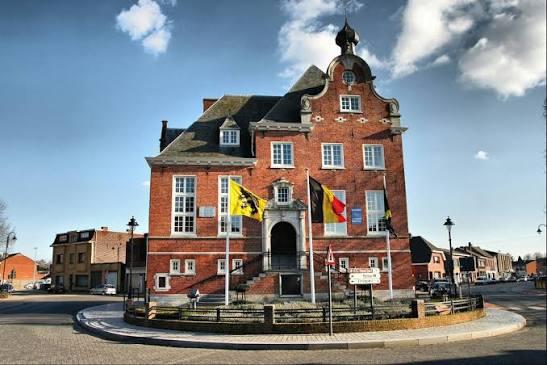
You apply for Belgian nationality at your local municipality (gemeente), which is where your declaration is filed and where you can ask about the documents you need. Because citizenship builds on things like your residence history, your language proof and your integration record, it helps to keep these documents organised over the years rather than gathering them all at the last moment.
IHWF cannot apply on your behalf or assess whether you qualify. What we can do is point you to the right official route and help you understand what the process involves.
Good to know: the things that count towards citizenship - legal residence, language level, integration and work history - build up over your whole time in Belgium. Keeping proof of these as you go, rather than reconstructing them later, makes the application much smoother when you are ready.
Sources
- Belgian citizenship - FPS Justice
- Nationality - Foreign Affairs
- Moving to Flanders
- Vreemdelingenrecht.be - Belgische nationaliteit