Visa types
Visa rules rarely work the same way as back home, and it is easy to feel unsure which category applies to your move. Most newcomers, the question boils down to just two options - a short-stay visa or a long-stay visa.
This page explains who needs a visa at all, what separates these two types, and where to go next depending on why you are coming to Belgium.
Overview
Whether you need a visa, and which type, depends on your nationality and how long you plan to stay in Belgium. EU, EEA and Swiss citizens can enter and settle without a visa, but most other nationalities need one before they even book their flight.
The right visa also depends on your reason for coming - work, study or joining family already in the country - since each of those leads to a different application process.
Do you need a visa
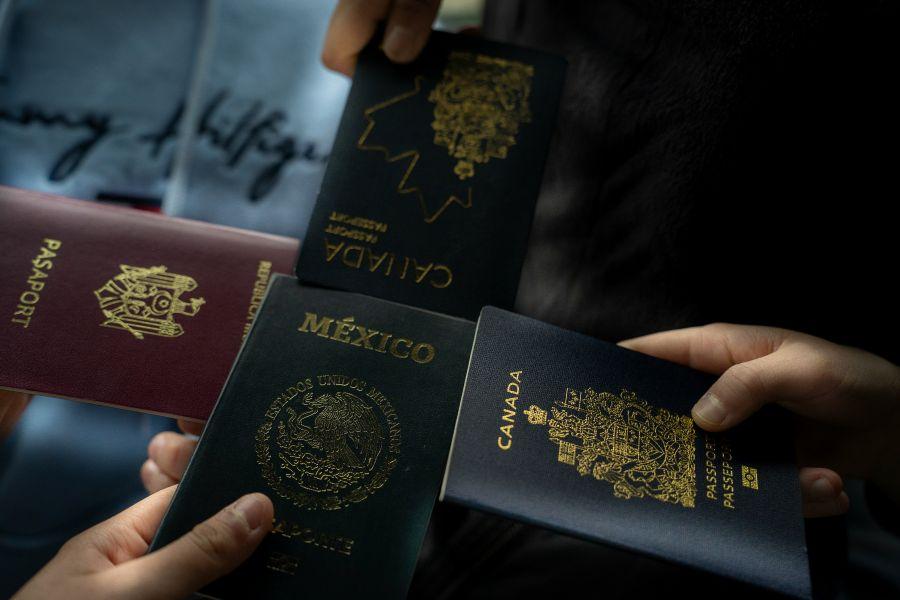
- EU, EEA and Swiss citizens - no visa needed.A valid passport or national ID card is enough to enter Belgium, and you can start working or studying right away. One formality remains: if you stay longer than three months, you must register with your municipality within that period - see Registering, moving or leaving your address.
- Some other nationalities - (including the US, UK, Canada, Australia and Japan, among around 60 countries) - may enter visa-free for short stays of up to 90 days in any 180-day period. Check the full list of visa-exempt countries on the European Commission's website, or verify your nationality via FPS Foreign Affairs. This covers tourism and short trips only. It cannot be converted into a long stay from within Belgium: if you are relocating, you must apply for your long-stay visa from your home country before you travel.
- Everyone else - needs a visa before arrival. Which type depends on how long you are staying and why.
If you are unsure which group applies to you, the Immigration Office (in Dutch: Dienst Vreemdelingenzaken) is the federal authority responsible for visa and residence questions, and can confirm your exact situation.
New border rules: EES and ETIAS
Two EU-wide systems are changing how non-EU travellers cross the Schengen border:
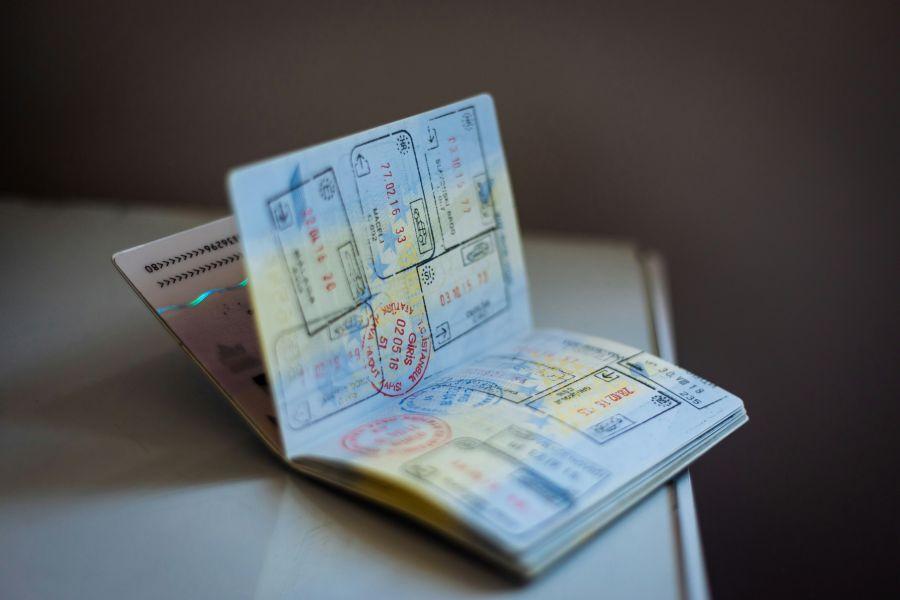
- Entry/Exit System (EES) - since October 2025, non-EU travellers are registered biometrically (fingerprints and photo) at the border instead of receiving passport stamps.
- ETIAS - visa-exempt travellers (such as Americans, Britons and Canadians) will soon need an ETIAS travel authorisation: a low-cost online pre-approval, expected to launch in late 2026.
Neither replaces a visa - they are additional border formalities. Check the official EU website for the current status before you travel.

Short-stay visa (Schengen C visa)
A short-stay visa, also called a Schengen C visa, allows you to stay in Belgium and the wider Schengen area for up to 90 days within any 180-day period. It covers situations like a house-hunting trip, attending a conference, or visiting family. Applications are made online via the Federal Public Service Foreign Affairs (VisaOnWeb) and handled by the Belgian embassy or consulate in your country.
Two important limits: a C visa does not give you the right to register as a resident, and being allowed to stay short-term is not the same as being allowed to work. If you are relocating for good, you will need a long-stay visa instead.
Working for less than 90 days
The Single Permit only applies to jobs of more than 90 days. For shorter assignments - a project, secondment or seasonal work - a different, lighter procedure applies:
- Your employer applies for a work permit (arbeidskaart) with the regional authority (for Flanders: the Flemish employment administration). This is separate from, and faster than, the Single Permit.
- If your nationality requires a visa, you then apply for a Schengen C visa at the Belgian embassy, with the work permit in hand. Visa-exempt nationalities (like Americans or Canadians) can travel on the work permit alone - but note: visa-free entry never means permission to work. The work permit is required either way.
- After arrival, you report to the municipality within a few days to arrange your short-term residence.
Some categories are exempt from a work permit for short stays - such as certain business meetings, conferences, or intra-group training. The rules are precise, so have your employer check the exemption list with the Flemish authorities before assuming one applies.
Long-stay visa (D visa)
If you are moving to Belgium for longer than 90 days - to work, study or join family - you generally need a long-stay visa, known as a D visa. You apply for this at the Belgian embassy or consulate in your country of residence before you travel, so it is worth starting the process well before your planned move. Two things to budget for:
- The administrative contribution fee (retributie/redevance) - most long-stay applications require paying a federal fee to the Immigration Office before applying (between roughly € 218 and € 377 in 2026, depending on your category; amounts are indexed yearly). Without proof of payment, your application is inadmissible - and the fee is not refunded if the application is refused.
- Proof of sufficient means - depending on your situation (especially for students), you will need to show you can support yourself, for example through a blocked account, scholarship, or formal sponsor.
Once you arrive in Belgium, you must report to your municipality within eight days; after a residence check, you are registered and receive your residence permit - covered in Registering, moving or leaving your address.

Which visa fits your situation
- Coming to work as an employee - non-EU employees generally need a Single Permit (gecombineerde vergunning), which combines work authorisation and residence permit in one application. Your employer applies for it in the region where you will work, and processing can legally take up to four months - so plan your moving date around the permit. Highly qualified workers may qualify for the EU Blue Card. Coming for a short assignment of up to 90 days? A lighter procedure applies - see Working for less than 90 days above. See Work for the full breakdown.
- Coming as a self-employed person - you will need a professional card (beroepskaart), applied for through the region, alongside your D visa.
- Joining a partner or family in Belgium - if you are an EU citizen, you don't need a visa: you move under free movement and simply register at your municipality after arrival, whatever your partner's nationality. If you are a non-EU family member, you will usually apply for a family reunification visa - see Bringing your family to Belgium for the requirements.
- Studying in Belgium - your D visa application is guided by the admission documents from your school or university, which you will need to include. Apply as soon as you are admitted: embassy processing peaks in the months before the academic year starts.
IHWF cannot apply for a visa on your behalf or guarantee an outcome. Always confirm your exact requirements with the Immigration Office or your local Belgian embassy or consulate before you apply.
Good to know: visa processing times vary a lot depending on your home country and the Belgian embassy or consulate handling your file. Start your application as early as you can, and check Best time to arrive & processing timelines before you book your flights or your movers.
Sources
- Registration and migration - Flanders
- Immigration Office (Dienst Vreemdelingenzaken)
- Foreign Affairs - visa services
- European Commission - Visa policy (list of visa-exempt countries)
- IBZ - Contribution fee
- European Commission - EES and ETIAS
- Vlaanderen.be - Employing a foreigner in Flanders