Overview
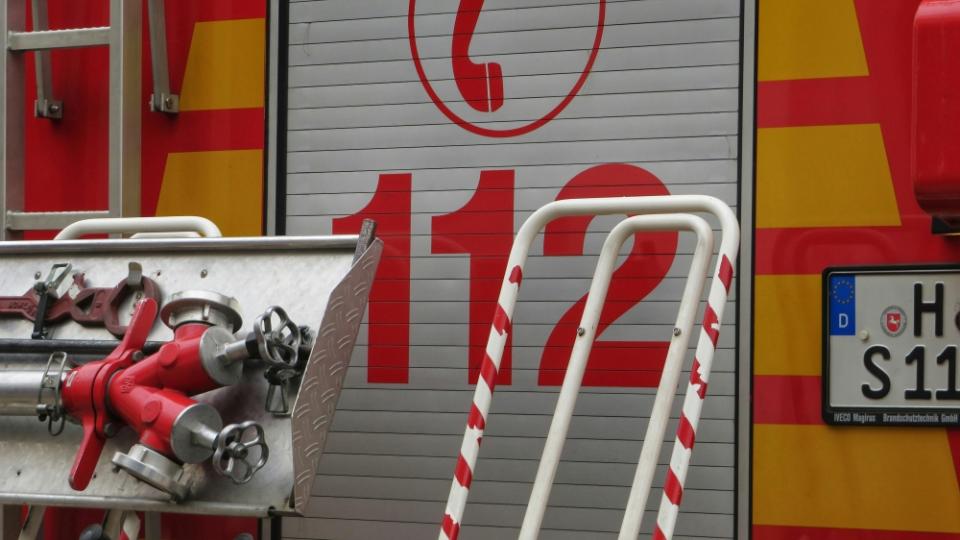
In Belgium, the emergency number 112 works everywhere, in any language, and connects you to ambulance, fire, or police services as needed. It's free to call, and available 24/7.
When to call an ambulance
Call 112 for situations that are genuinely urgent: chest pain, difficulty breathing, severe bleeding, loss of consciousness, or any situation where waiting could be dangerous.
For less urgent issues, other options are usually faster and more appropriate:
- Your GP, during regular hours, for most non-urgent medical concerns.
- The out-of-hours GP post (huisartsenwachtpost), for urgent-but-not-emergency issues outside normal hours, such as evenings and weekends.
- A hospital emergency department (spoedgevallen), if you can safely get there yourself and it's serious but not life-threatening.
What happens when you call
When you call 112, a dispatcher will ask what has happened and where you are. Try to stay on the line and answer clearly. If you don't speak Dutch or French, say so immediately; English is widely understood, and interpreters can be brought in if needed.
An ambulance crew will assess the situation and, if necessary, take the patient to the nearest suitable hospital's emergency department (spoedgevallen).

What it costs
Ambulance transport in Belgium is not free, but it is partially reimbursed through your mutuality if you're registered.
A few things to know:
- You'll usually receive an invoice afterwards, rather than paying on the spot.
- Reimbursement is handled automatically or via your mutuality, similar to other medical costs.
- Costs and reimbursement can vary depending on the situation and provider, so keep any documentation you receive.
Good to know: save 112 in your phone, and make sure your address is easy to give in an emergency. In the panic of an urgent moment, small details like your building's entrance or floor can slow things down, so it helps to know exactly what to say in advance.