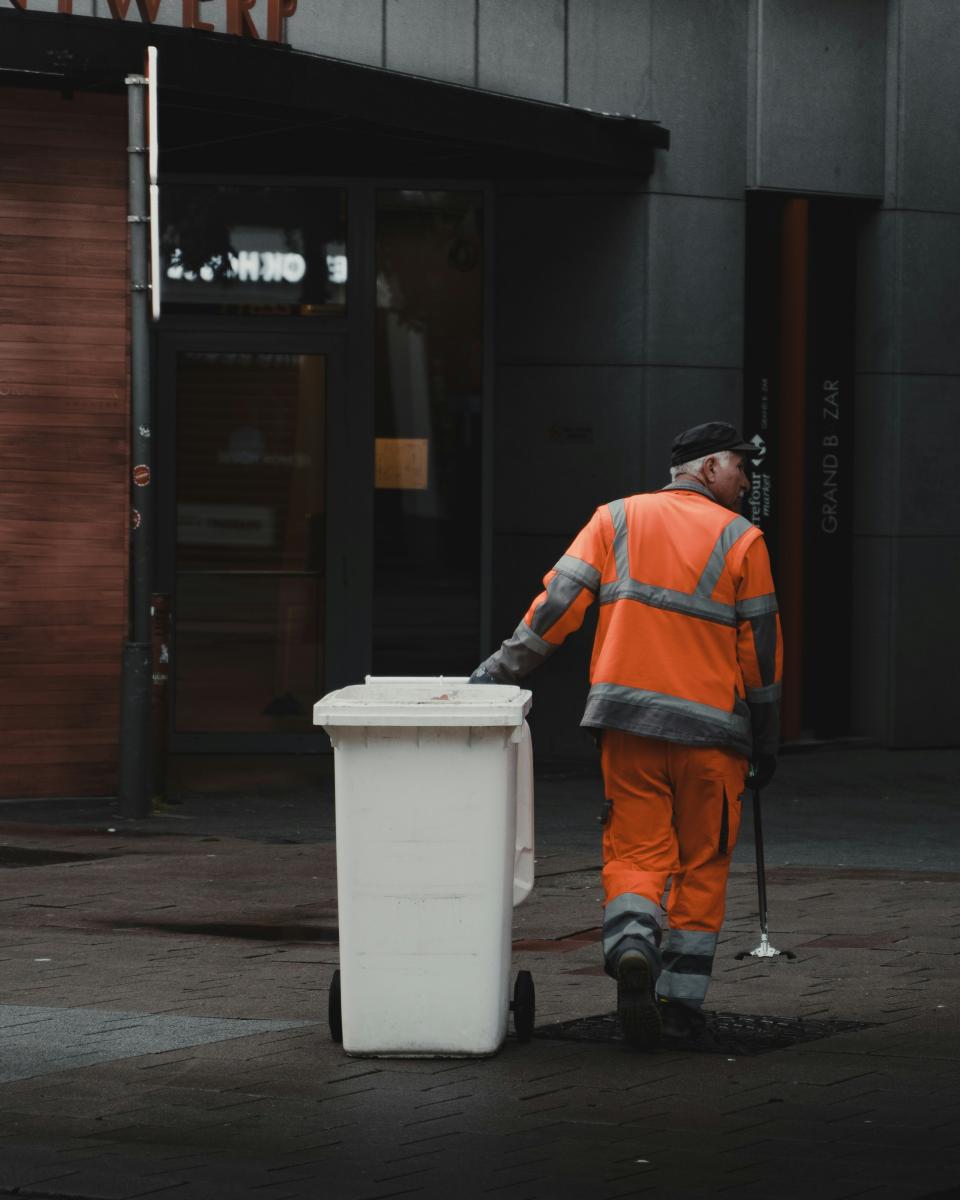
Waste & Recycling
Waste sorting in Belgium is taken seriously, and the rules can feel strict if you're not used to them. Getting it right from the start avoids fines and helps you settle into local life a little faster.
This guide explains how waste sorting works, what goes in which bin, and where to take items that aren't collected at your door.
Overview
Household waste in West Flanders is collected by your local municipality (gemeente), and each municipality sets its own rules for sorting, bin types, and collection schedules. The general principles are the same across the region, but details can vary depending on where you live.
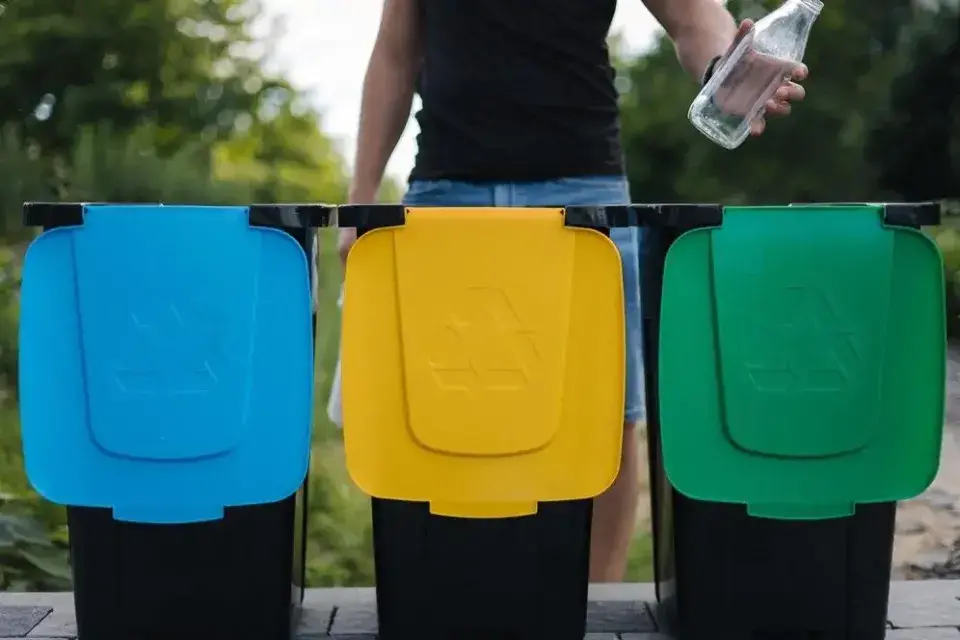
Sorting your waste
Waste is generally sorted into the following categories:
- Residual waste — anything that can't be recycled or composted, collected in a specific bag or bin depending on your municipality
- PMD (plastic, metal, drink cartons) — collected in a blue bag in most municipalities
- Paper and cardboard — collected separately, usually in a designated bin or bundled and tied
- Glass — usually brought to a communal glass container, sorted by colour
- Organic waste (GFT) — food scraps and garden waste, collected in a separate container in most areas
Municipalities often require specific, officially approved bags for certain waste types, which you can buy at supermarkets or the local administration.
Collection days and bins
Collection days depend on your street and municipality, and schedules are usually published online or delivered as a printed calendar. Bins or bags need to be placed outside by a set time, often the evening before collection.
Some municipalities also use underground or communal collection points instead of door-to-door collection, particularly in city centres or apartment buildings.

Recycling parks
For items that aren't collected at your door, such as furniture, electronics, garden waste, or construction materials, you can bring them to your local recycling park (recyclagepark or containerpark). Most parks are free for standard household quantities, though some items may have a small fee.
You'll usually need to bring proof of address or a resident's card to access the park in your municipality.
Good to know: many municipalities also organise a bulky waste collection a few times a year, where you can leave large items on the street for pick-up on a set date. This is a useful option if you don't have a car to reach the recycling park.
Sources
- Province of West Flanders — west-vlaanderen.be
- Housing in Flanders — vlaanderen.be