Public transport
Getting around a new region without a car can feel daunting at first, especially if public transport works very differently back home. The good news is that West Flanders has a well-connected network of buses, trams and trains that becomes second nature once you know how it fits together.
This page explains how the network is organised, how to pay for your journey, and where to plan your route.
Overview
Public transport in West Flanders runs on two main networks: De Lijn for buses and trams, and NMBS/SNCB for trains. Which one you need depends on your journey - short trips within a town or city usually mean a bus, while getting between cities calls for a train. Most tickets are bought in advance through an app or ticket machine rather than with cash on board.
How public transport is organised
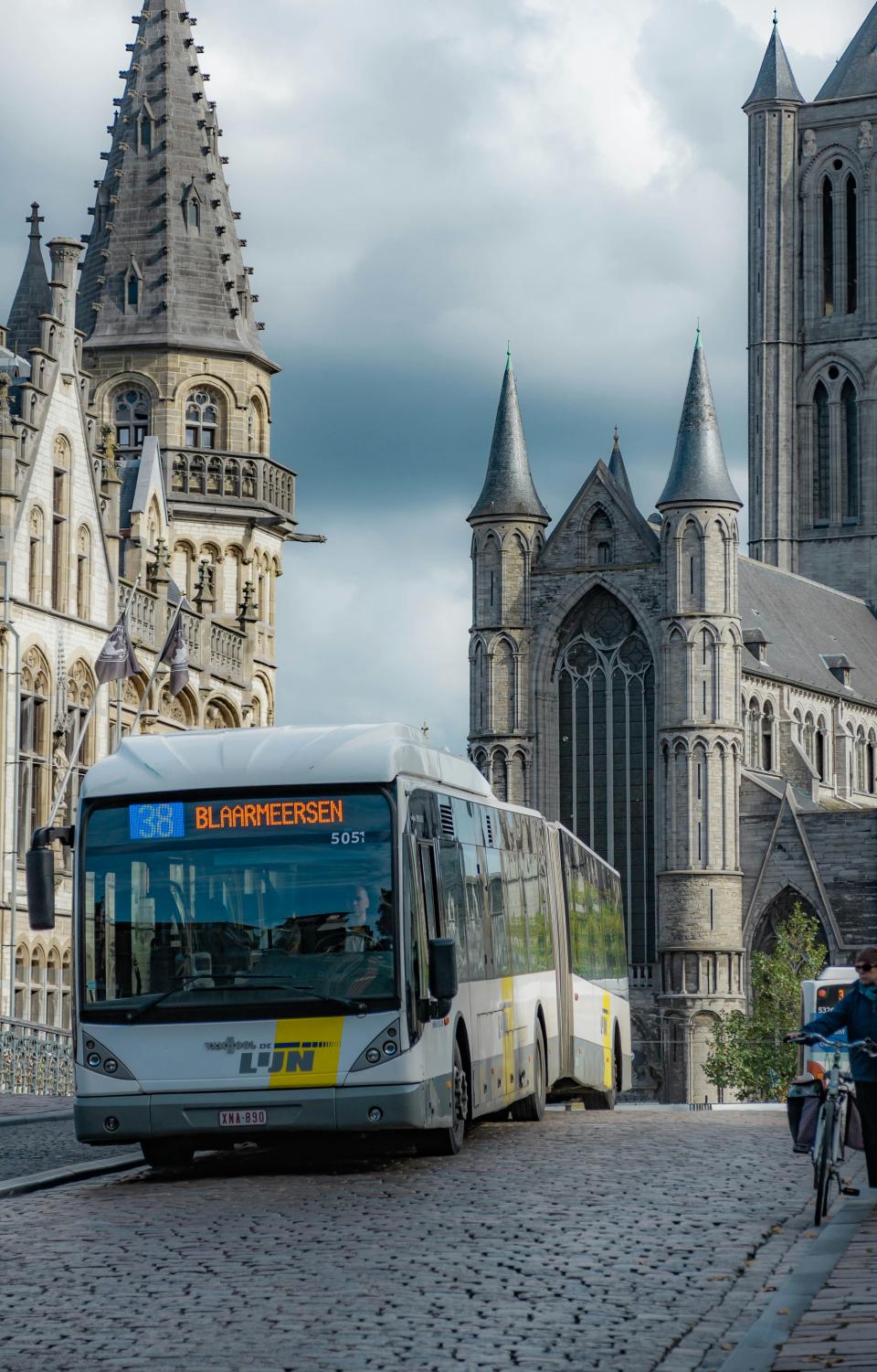
- Buses (De Lijn) cover towns and villages across the province, including routes that connect train stations to areas without rail access.
- Trams (De Lijn) are more limited, but West Flanders is home to the Kusttram, often described as one of the longest tram lines in the world, running the length of the Belgian coast between De Panne and Knokke - handy if you live or work near Ostend, Zeebrugge, or the coastal side of Bruges.
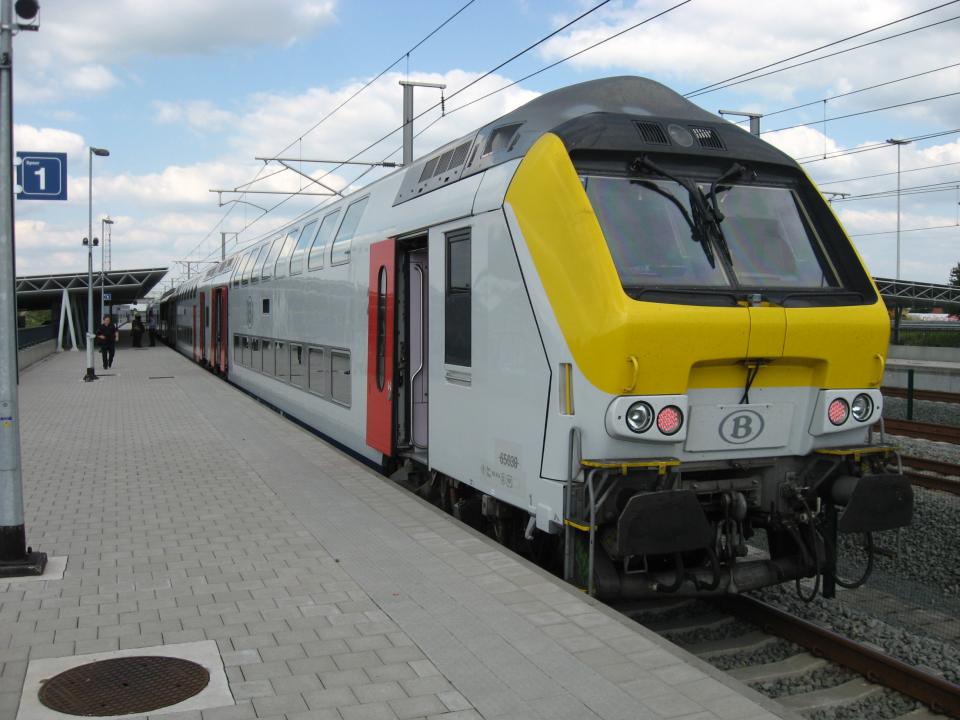
- Trains (NMBS/SNCB) connect the province's main cities - Kortrijk, Bruges, Roeselare, Ostend and Ypres - to each other and to the rest of Belgium.
If you have a disability or reduced mobility, see our Accessible transport & mobility support page for door-to-door and assisted travel options.
Buying tickets and travel passes
- De Lijn: buy tickets through the De Lijn app, at a ticket machine, or from a Lijnwinkel (De Lijn shop). Tickets bought on board usually cost more, and some buses don't accept cash at all.
- Frequent travellers can save with a travel pass - the Buzzy Pazz for under-25s and the Omnipas for adults both offer unlimited travel within Flanders for a set period.
- NMBS/SNCB: buy tickets through the SNCB app, at station ticket machines, or online. If you commute regularly, ask about a season ticket (Train Pass) - your employer is legally required to contribute towards the cost if you commute by public transport.
- Fares change periodically, so check delijn.be and belgiantrain.be for current prices.

Planning your journey
Route planning is easiest through De Lijn's and SNCB's own apps, which both show live departure times and disruptions. Google Maps also works well for this and shows trams, buses and trains together on one map, which is handy if your trip combines more than one type of transport.
Many Belgian banking apps let you buy De Lijn and train tickets directly too, so check your own bank's app before assuming you need to download a separate one. We've listed all of these, along with a few other useful apps, on our Transport apps page.
Good to know: Buy your ticket before you board wherever possible. Several De Lijn buses no longer accept cash, and tickets bought on board usually cost more than tickets bought in advance.
Sources
- Public Transport — belgium.be
- De Lijn — delijn.be
- SNCB / NMBS — belgiantrain.be
- Mobility — belgium.be