
Cost of living in West Flanders
Knowing what things cost helps you budget with confidence before and after you arrive. West Flanders is generally more affordable than Brussels or Antwerp, though prices still vary between cities and depend on your lifestyle.
This page gives you indicative figures for the main things you will spend money on.
Overview
Your biggest monthly cost will almost always be rent, followed by utilities, groceries and transport. Prices in Roeselare tend to be lower than in Bruges or Kortrijk, so where you live in the province makes a real difference to your budget. See Cities of West Flanders for a comparison of the cities themselves.
If you want to compare costs more precisely, or see how West Flanders compares with your home country, Numbeo's cost of living tool is a useful, user-submitted reference to check alongside the figures on this page.
Housing and rent
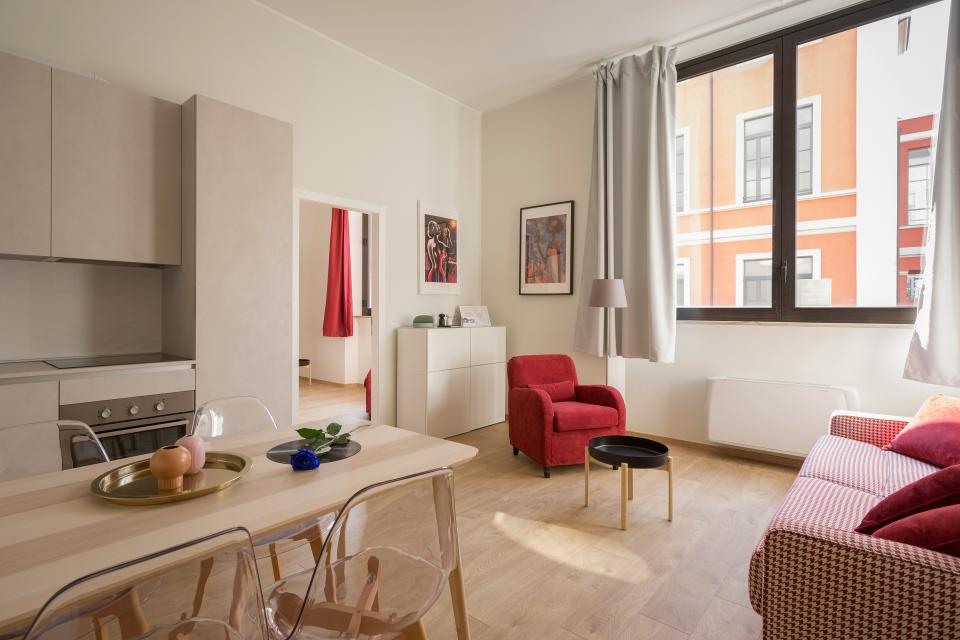
Rent varies by city, size and whether the flat is furnished:
- 1-bedroom flat, city centre: roughly € 650 - € 850 per month
- 1-bedroom flat, outside the centre: roughly € 550 - € 700 per month
- Shared house or room: roughly € 350 - € 500 per month
Most landlords also ask for a deposit, usually 2 or 3 months' rent, which is held in a blocked bank account until you move out.
Utilities and bills
On top of rent, most tenants pay separately for:
- Electricity, heating and water: roughly € 120 - € 200 per month, higher in winter
- Internet and mobile: roughly € 40 - € 60 per month for both combined
- TV and streaming: optional, and often bundled with internet

Groceries and everyday costs
Everyday costs depend heavily on your habits, but as a rough guide:
- Groceries: roughly € 200 - € 300 per month for one person
- Casual meal out: roughly € 15 - € 20 per person
- Coffee in a café: roughly € 3 - € 4
Transport
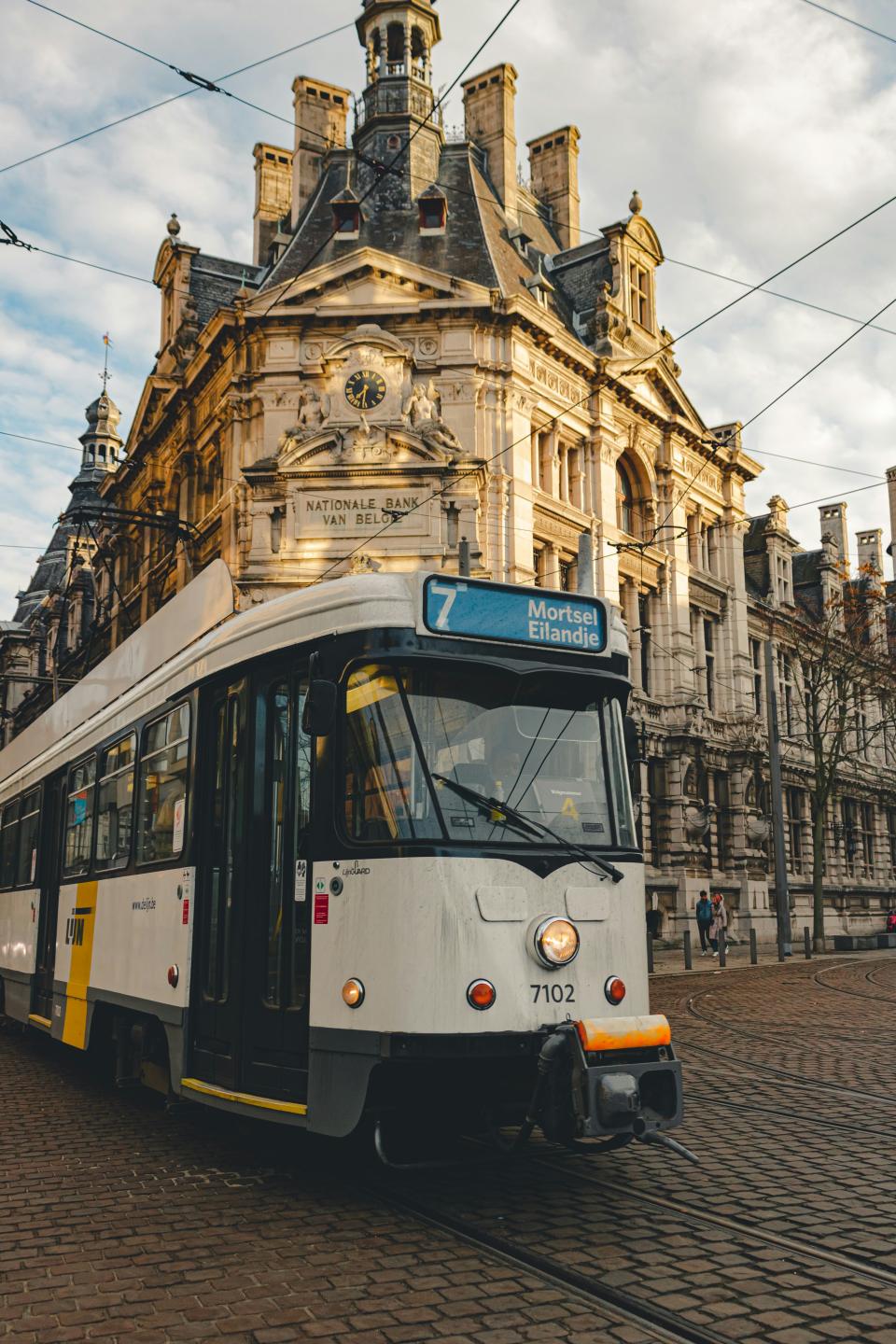
West Flanders is flat and cycle-friendly, which keeps transport costs low for many residents:
- Bicycle: the cheapest way to get around most cities, once you have bought or rented one
- De Lijn monthly pass: roughly € 50, with discounts for students and young people
- Train (NMBS/SNCB): priced by distance, with discounted cards for frequent travellers
- Car: the most expensive option, once you include insurance, fuel and parking
Healthcare
Belgium has a mandatory health insurance system through a health insurance fund (mutualiteit or ziekenfonds). Most of the cost is covered through social security contributions taken from your salary, so your monthly out-of-pocket cost is usually modest.
- Health insurance fund membership: often free or low-cost for basic cover
- GP visit: most of the cost is reimbursed after your visit
- Supplementary insurance (hospitalisation): optional, and priced separately

Taxes and net income
Belgium has progressive income tax and mandatory social security contributions, both of which are deducted from your gross salary before you receive it. This means your net salary is noticeably lower than your gross salary, which can be a surprise if you are used to a different system.
For an accurate picture of your own situation, use the official tax simulator on myminfin.be or ask your employer's HR or payroll team to explain your payslip.
Good to know: do not rely only on a job offer's gross salary to judge affordability. Ask for an estimated net salary, or calculate it yourself, before comparing it with rent and other costs in this guide.
Sources
- Statbel
- De Lijn
- FPS Finance (myminfin.be)
- FPS Social Security (socialsecurity.belgium.be)