Practice your Dutch
Finishing a course is one thing - using Dutch in real life is another. The good news is West Flanders has plenty of low-pressure ways to practise, with no exam and no pressure to be perfect.
This page shows you where to speak with locals, join a buddy programme, and build confidence outside the classroom.
Overview
Learning Dutch from a book or an app only gets you so far. The fastest way to improve is to actually use it, in situations where mistakes do not matter. Two of the easiest ways to do this in West Flanders are speaking tables and buddy programmes. Both are informal, both are free, and both welcome complete beginners.
Speaking tables (taalcafé)
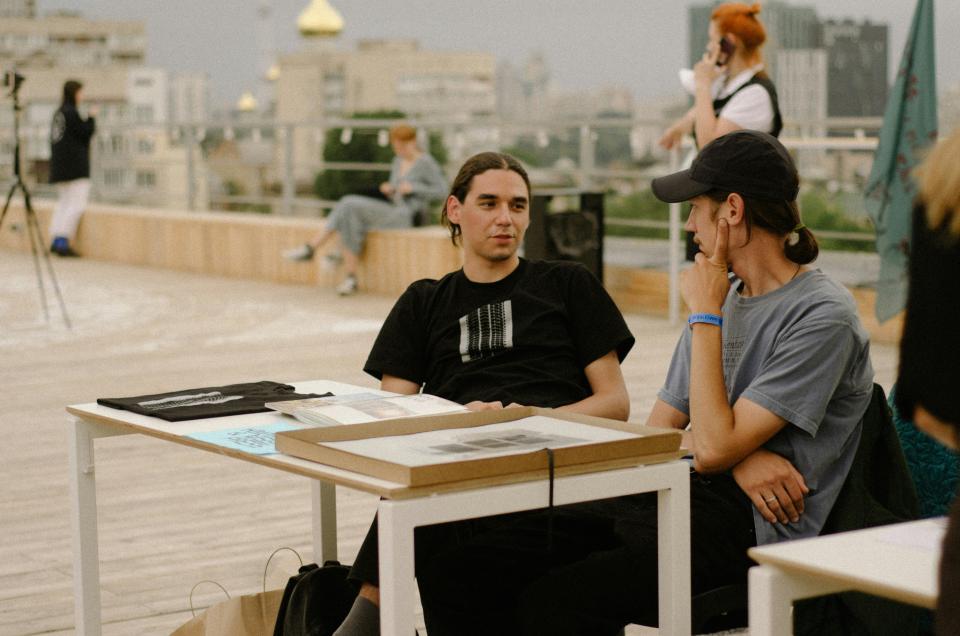
A taalcafé ("language café") is a regular, informal meetup where people practise Dutch together over a coffee or a drink. There is no homework and no test, just conversation.
- IkDoeMee.be lists Dutch-practice initiatives across Flanders ("Ontmoet nieuwe mensen. Oefen Nederlands" - meet new people, practise Dutch).
- Mama Praat (FMDO) runs speaking sessions especially for mums.
- Babbelplus in Kortrijk is a local speaking group.
- Praatwijzer runs speaking sessions in both Roeselare and Knokke-Heist (FMDO).
- De Brugse Praattafels (Avansa Brugge) offers talking and meeting opportunities in Bruges.
- In Kortrijk, an active Facebook community group is also a popular way to connect with other Dutch learners.
Open to all levels, including complete beginners.
Not listed here? Check your city's cultural centre (cultuurcentrum) or library, most run their own speaking sessions too.
Volunteering and buddy programmes
A buddy programme pairs you with a Dutch-speaking local for regular conversation, often alongside help exploring the region.
- Practical, one-on-one language practice with a native speaker.
- Many programmes are set up specifically for newcomers and expats.
- Compagnons (FMDO) is a buddy programme worth checking out.
- A good way to build a personal network as well as your Dutch.
Some organisations offer a wider buddy scheme covering daily life in the region, not just language, so ask what is included before you join.

Good to know: most speaking tables follow the school calendar, but unlike a formal course, you can join at any point during the year, at any level. Just show up.
Want a certificate instead? Go back to Dutch courses in West Flanders for structured options.
Sources
- Agentschap Integratie en Inburgering - learning and practising Dutch
- Guidance for newcomers (civic integration path) - Vlaanderen.be
- Local cultural centre (cultuurcentrum) websites - check your own city